Design to production / Tools & practical guides
Techpacker vs Illustrator for tech packs
Illustrator is a drawing tool; Techpacker organizes garment information into a collaborative tech pack. You can use them together. The useful comparison is how your drawings, measurements and approved revisions stay connected.
Updated 2026-10-08 · Independent guide by Innovtex · Not sponsored
Next step
Turn your tech pack into a sample
Finished your tech pack, or only have an AI draft? Send it to Innovtex and we take it from file to physical sample, then to bulk production in China, Spain, Vietnam or Honduras.
- 1
Drop your tech pack
Upload the PDF, Illustrator file or images exported from your tech pack software, an AI tech pack draft or a sketch (JPG, PNG, PDF, AI, PSD or ZIP).
- 2
We review the specs
Our team checks measurements, materials and construction, flags anything missing and comes back with next steps and a quote.
- 3
Your sample is made
Patterns are made and your first physical sample is sewn, so you can approve fit, fabric and finish before bulk.
- 4
Bulk production
After approval: 50 to 100 units per style, 25 to 30 calendar days, then 10 to 15 calendar days DDP delivery to your door, customs cleared.
Explore the tech pack guides
Drawing versus specification management
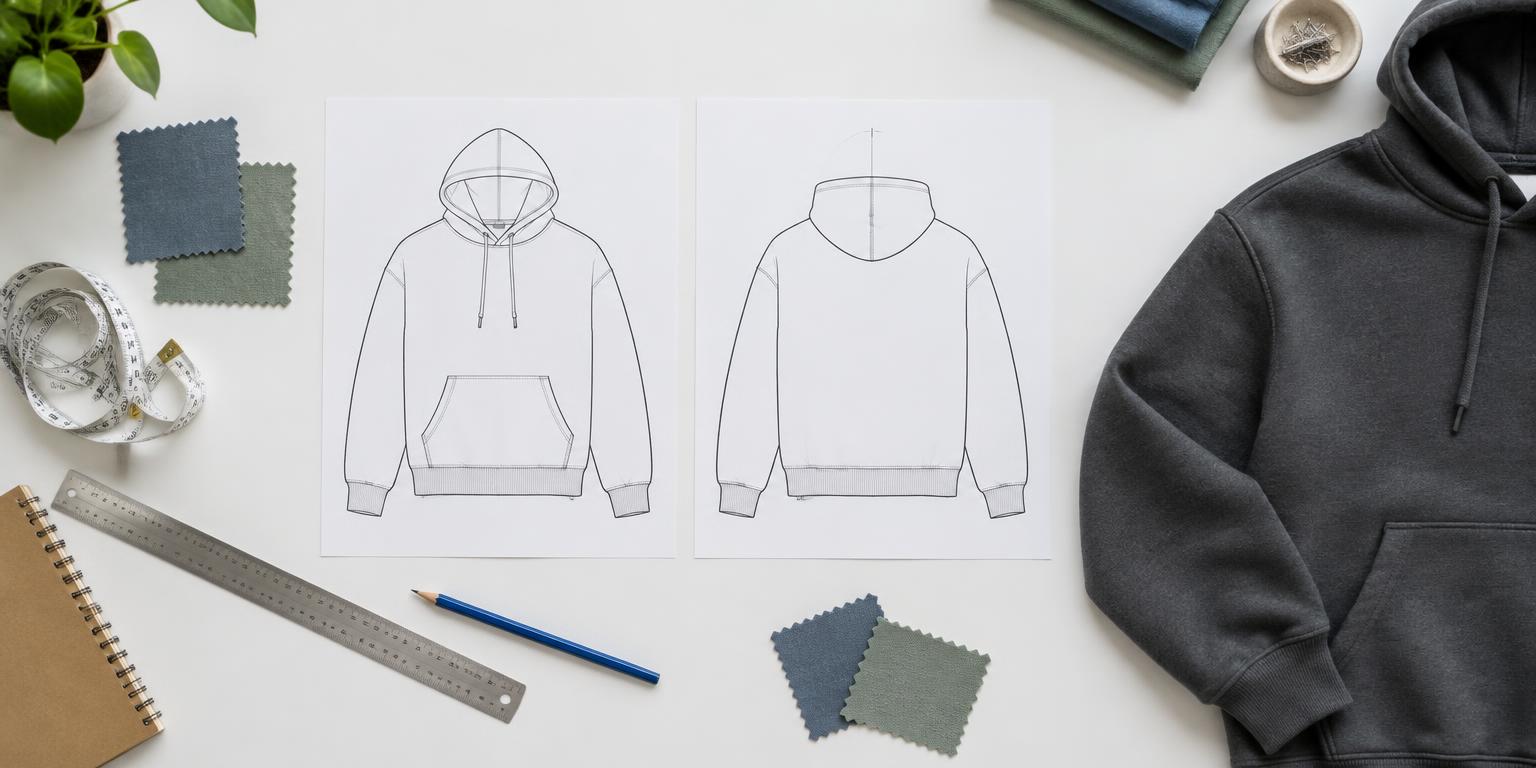
Adobe describes Illustrator as vector graphics software. For apparel work, vector paths let you draw front and back flats, seam lines and detail callouts. A flat shows construction intent; it does not establish the actual fit measurements.
Techpacker documents reusable cards for sketches, materials and measurements, collaboration and tech pack exports. Its value is organizing those inputs. You still need someone to supply and approve the garment data.
Compare the handoff, not just the drawing
| Tool | Useful for | Check before choosing |
|---|---|---|
| Illustrator + spreadsheet | Custom vector flats, measurement tables and BOM in files you control | Someone must align the drawing, spec sheet and revision record |
| Techpacker | Reusable garment data and collaborative tech pack assembly | Check permissions, export content and what suppliers can access |
| Combined workflow | Illustrator for flats, Techpacker for organized technical information | Update artwork and technical data together before approval |
Example: one hoodie revision
Suppose you change a hoodie pocket opening after sample review. In a manual workflow, update the flat, the pocket measurement, the construction note and the dated revision record. Export them as one matching release rather than emailing only the new drawing.
In a collaborative tool, update the relevant sketch and measurement records, then check the supplier view and exported pack. Record who approved the change. A live file should not make it ambiguous which revision is authorized for bulk.
What to test in a demo
Build one representative style with front and back flats, a BOM and a measurement table. Export it and ask your manufacturer whether dimensions, units, callouts and revision labels are readable.
Check whether teammates can edit only the records they need, whether supplier access requires an account, and whether an approved pack can be saved as a stable snapshot. Verify these details in the plan you intend to use.
When to keep your existing workflow
If one person develops a few styles and maintains disciplined revisions, changing tools may add unnecessary setup. A shared system becomes more useful when several people repeatedly reuse materials or revise the same styles.
Neither choice removes the need to review fabric, fit and construction in a physical sample. Send the pack with all unresolved decisions clearly marked.
Questions before you choose
Sources & review notes
Capabilities are described from the vendors’ public documentation, reviewed 2026-10-08, not from hands on product testing. Features and plans can change. Confirm current capabilities, access and terms with each vendor. Innovtex is not affiliated with these tools.
Turn your design into a garment
Share a sketch, AI render or existing tech pack. Innovtex reviews the design and develops it through sampling, production, quality control and delivery across China, Spain, Vietnam and Honduras. MOQs start at 50 to 100 units depending on category and fabric.